Is my jumping spider molting or just being weird?
How to recognize pre-molt behavior and give your Phidippus the calm setup it needs.
Follow this guidance carefully — details vary by species, age and health status.
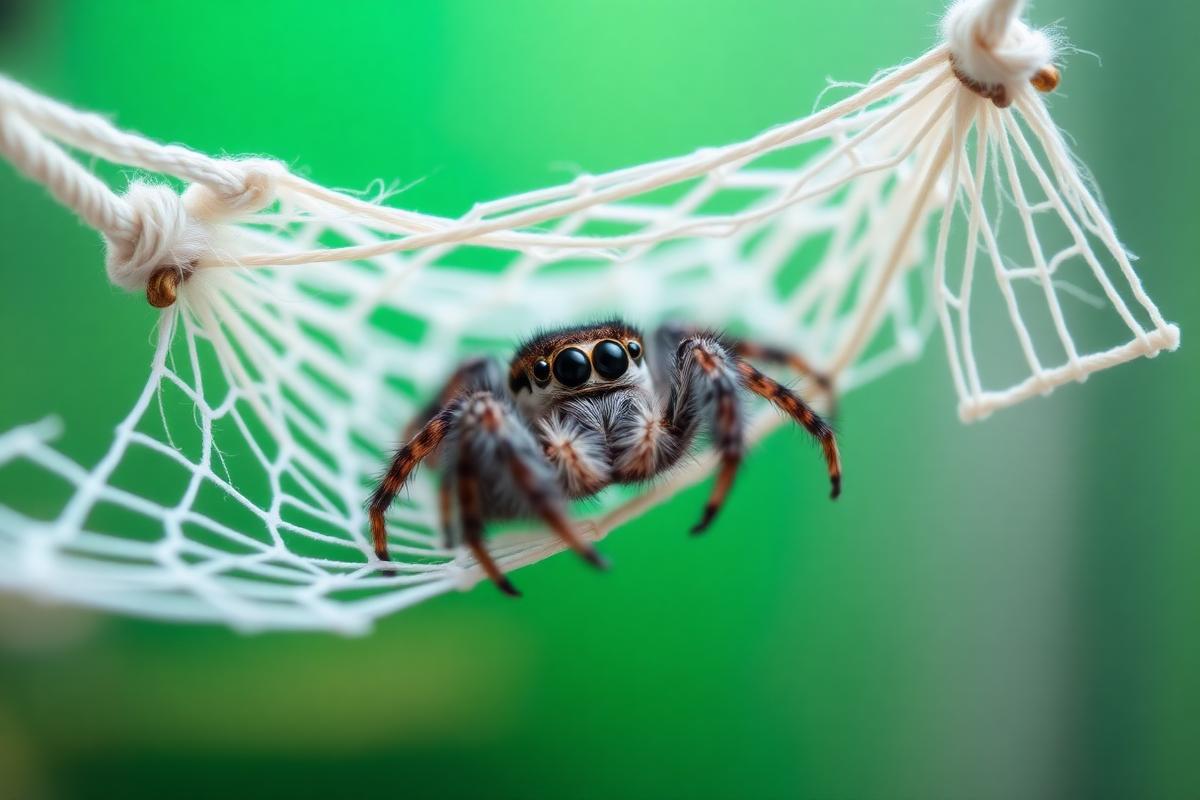
The classic pre-molt signs
Jumping spiders retreat into a thick silk hammock, stop eating for anywhere from a few days to a few weeks, and often hang upside down inside the sac. Their colors may look duller and their abdomen slightly swollen.
This is normal. A healthy Phidippus molts several times before adulthood and once or twice more after — each molt is a vulnerable stretch where the exoskeleton softens and reforms.
What to do (and not do)
Leave the enclosure alone. Don't poke the hammock, don't try to feed, and don't move the enclosure to 'get a better look.' Keep humidity in the species-appropriate range and make sure there's a small water source they can reach when they emerge.
Remove any live feeders from the enclosure — even a small cricket can injure or kill a molting spider.
When to worry
Call an experienced keeper or exotic vet if the spider is stuck in a partial molt, has fluid leaking from a joint, or has been in the hammock for much longer than typical for its species and life stage.