The 12 human foods every dog owner should never share
From xylitol to grapes — what's dangerous, why it matters, and what to do if your dog eats one.
AskPetWise rates the guidance in this guide as safe to follow as written.
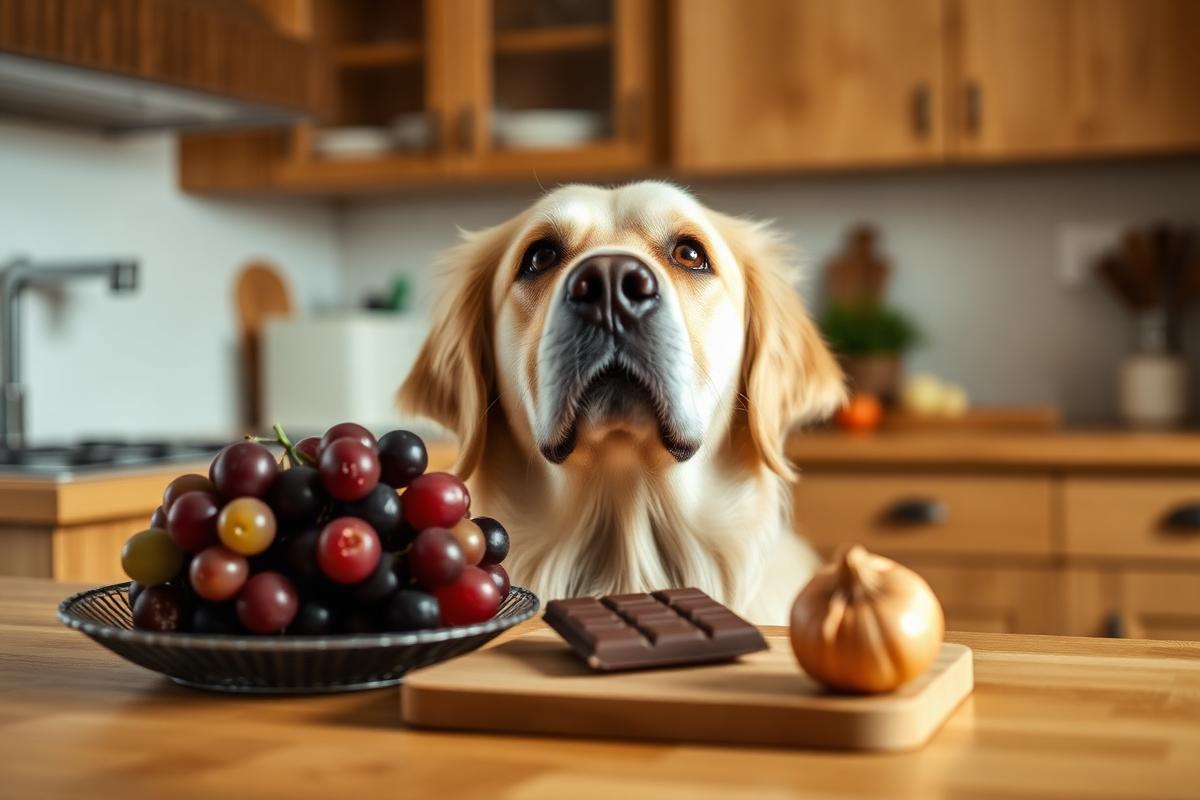
Why 'a little bit' isn't always safe
Dogs metabolize many foods differently than humans do. A snack that feels harmless to us can trigger anything from an upset stomach to acute organ failure in a dog, depending on the ingredient and the dose relative to their body weight.
This guide covers the twelve foods most commonly reported to the ASPCA Animal Poison Control Center, why each one is a problem, and the first steps to take if your dog gets into something they shouldn't.
The dozen to keep locked away
Chocolate, xylitol (a sweetener in gum, peanut butter, and baked goods), grapes and raisins, onions and garlic, macadamia nuts, alcohol, raw yeast dough, cooked bones, caffeine, avocado pit and skin, salt-heavy snacks, and anything containing the artificial sweetener birch sugar.
Xylitol and chocolate are the two most urgent — xylitol can crash a dog's blood sugar within 30 minutes, and dark chocolate contains enough theobromine to cause seizures in small dogs at surprisingly modest doses.
If your dog ate something they shouldn't
Call your veterinarian or the ASPCA Animal Poison Control Center at (888) 426-4435 right away. Have the product label, the estimated amount ingested, and your dog's weight ready.
Do not try to induce vomiting at home unless a professional tells you to — for some toxins (like caustic substances or sharp objects) it makes things worse.